

This reverse sear steak is cooked low and slow in the oven, finished in a smoking-hot cast-iron skillet, and topped with a buttery shallot-vermouth pan sauce. You get a deeply browned crust without overcooking the center, which is exactly what I want when I’m working with a thick steak.
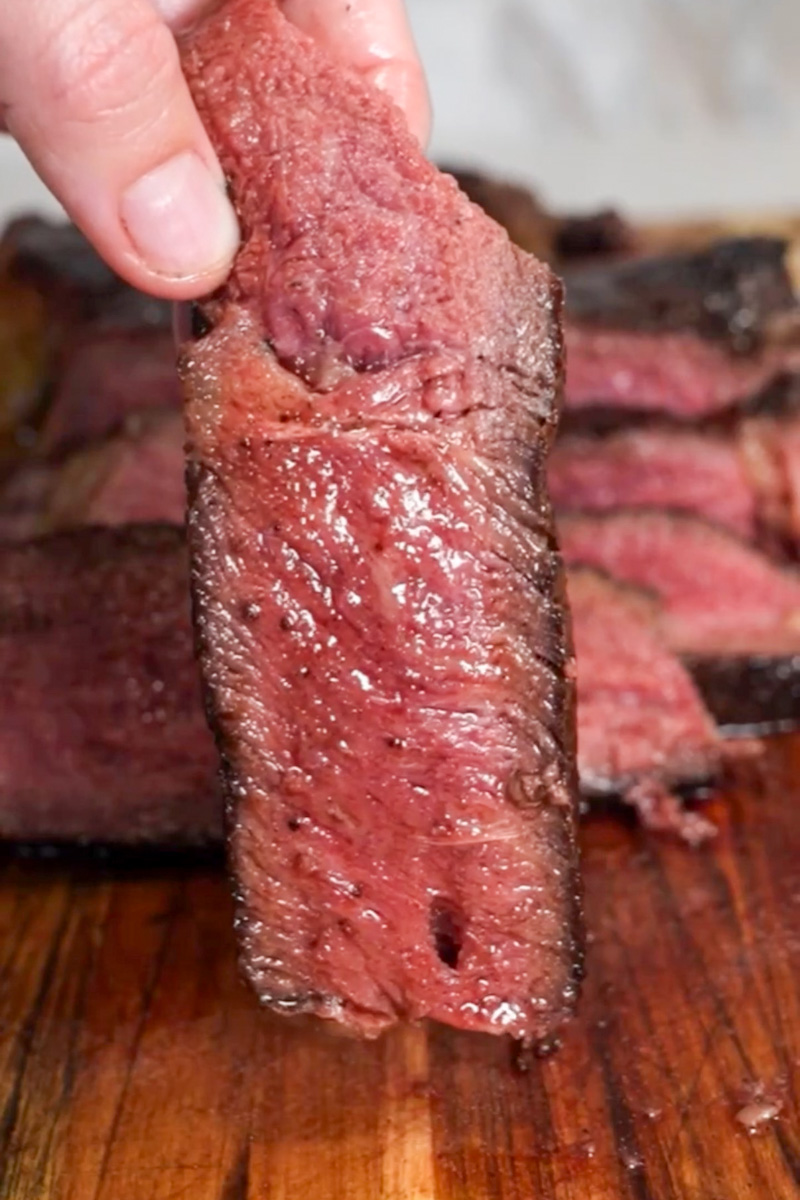
Reverse searing is especially good for a steak that’s around 1½ to 2 inches thick. The oven brings it gently to the right internal temperature, then the hot skillet handles the crust. After that, we’re using all those browned bits to make the sauce because leaving them in the pan would honestly be a waste.
The vermouth adds acidity without making the sauce taste overly heavy. Add shallots, beef stock, Dijon, and cold butter, and you basically have a steakhouse pan sauce made in a few minutes.
Why You’ll Love This Recipe
- It cooks evenly: The low oven gives the steak an evenly cooked center instead of a thick gray band around the edges.
- The crust is so good: Drying the steak and searing it in a very hot cast-iron skillet gives it a properly browned exterior.
- The sauce uses the same skillet: The shallots and vermouth pick up all the browned bits left behind by the steak.
- It works with several cuts: Ribeye and New York strip are my first choices, but filet mignon also works.
- Most of the cooking is hands-off: Once the steak is in the oven, you only need to monitor its internal temperature.
What Is a Reverse Sear?
Reverse searing means cooking a steak slowly at a low temperature before searing it over high heat. It is basically the opposite of the more traditional method where you sear the steak first and finish it in the oven.
The slower first stage gives you more control over the internal temperature. Once the center is almost where you want it, you finish the steak with a quick sear in a very hot skillet.
This method works best for steaks that are at least 1½ inches thick. A thin steak will cook through before you have enough time to make the method worthwhile. For a thin, highly marbled cut, my cast-iron Wagyu steak uses a faster pan-searing method instead.
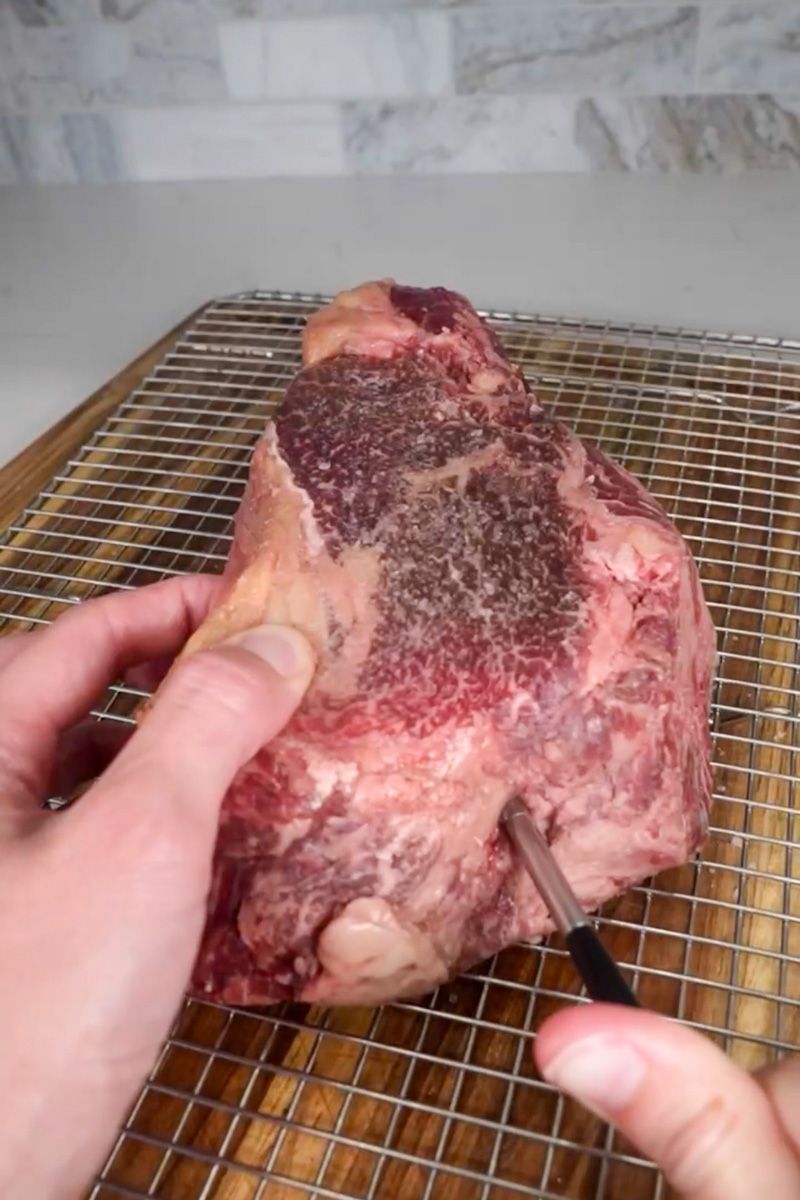
What Cut of Steak Should I Use?
Ribeye and New York strip are both great options for this reverse sear steak recipe.
Ribeye has more internal marbling, so it tends to be richer and more forgiving. New York strip is a little leaner but still has plenty of beefy flavor and usually comes with a fat cap that gets really good when seared.
You can also use filet mignon, although its milder flavor makes the pan sauce even more important. Whatever cut you choose, look for one that is evenly shaped and between 1½ and 2 inches thick.
For another thick-cut option, check out my grilled tomahawk steak.
Reverse-Seared Steak Ingredients
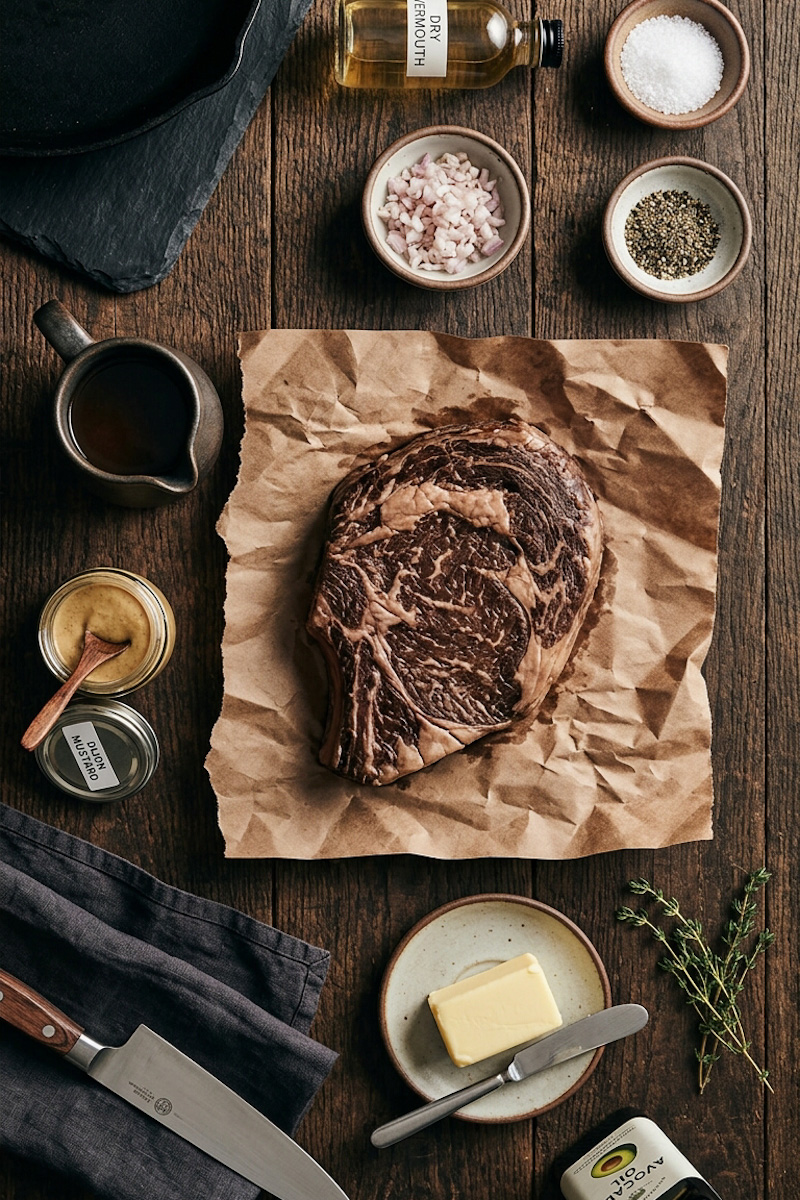
You’ll only need a few simple ingredients to make this recipe. The exact measurements are listed in the recipe card below. Here’s an overview of what you’ll need:
Steak: Use a thick ribeye or New York strip, ideally around 2 inches thick. A thick steak gives you enough time to cook the center gently without overdoing it during the final sear.
Kosher salt and black pepper: Season the steak generously. If you have time, salt it and leave it uncovered in the refrigerator overnight. This seasons the meat and dries the surface for better browning.
Neutral oil: Use an oil with a high smoke point, such as avocado, canola, or grapeseed oil. Extra-virgin olive oil is not my first choice for a skillet this hot.
Shallot: Shallots have a softer, slightly sweeter flavor than regular onions and cook quickly while the steak rests.
Dry vermouth: Vermouth deglazes the skillet and adds acidity to the sauce. Use dry vermouth, not sweet vermouth. Once opened, store it in the refrigerator.
Beef stock: This gives the sauce more body and beef flavor. Low-sodium stock is best because the sauce reduces as it cooks.
Dijon mustard: Totally optional, but I like the slight sharpness it adds.
Butter: Cold butter goes in at the end to make the sauce glossy and slightly thicker.
Thyme: Fresh thyme works really well with the shallot and vermouth, but you can skip it or use a small sprig of rosemary.
See recipe card for quantities.
Equipment
A 12-inch cast-iron skillet is ideal for getting a dark crust on the steak without overcooking the center. Cast iron holds heat really well, which is exactly what you need for that quick final sear.
You’ll also need a reliable meat thermometer. I use this brand all the time. It takes the guesswork out of cooking steak and helps you pull it from the oven at the right temperature.
Place the steak on a wire rack set inside a rimmed baking sheet while it cooks in the oven. This allows the heat to circulate around the entire steak so it cooks more evenly.
How to Reverse Sear a Steak
Pat the steak dry and season it generously with kosher salt and black pepper on every side.
For the best crust, place the seasoned steak on a wire rack over a baking sheet and refrigerate it uncovered overnight. If you don’t have that much time, season it at least one hour before cooking.
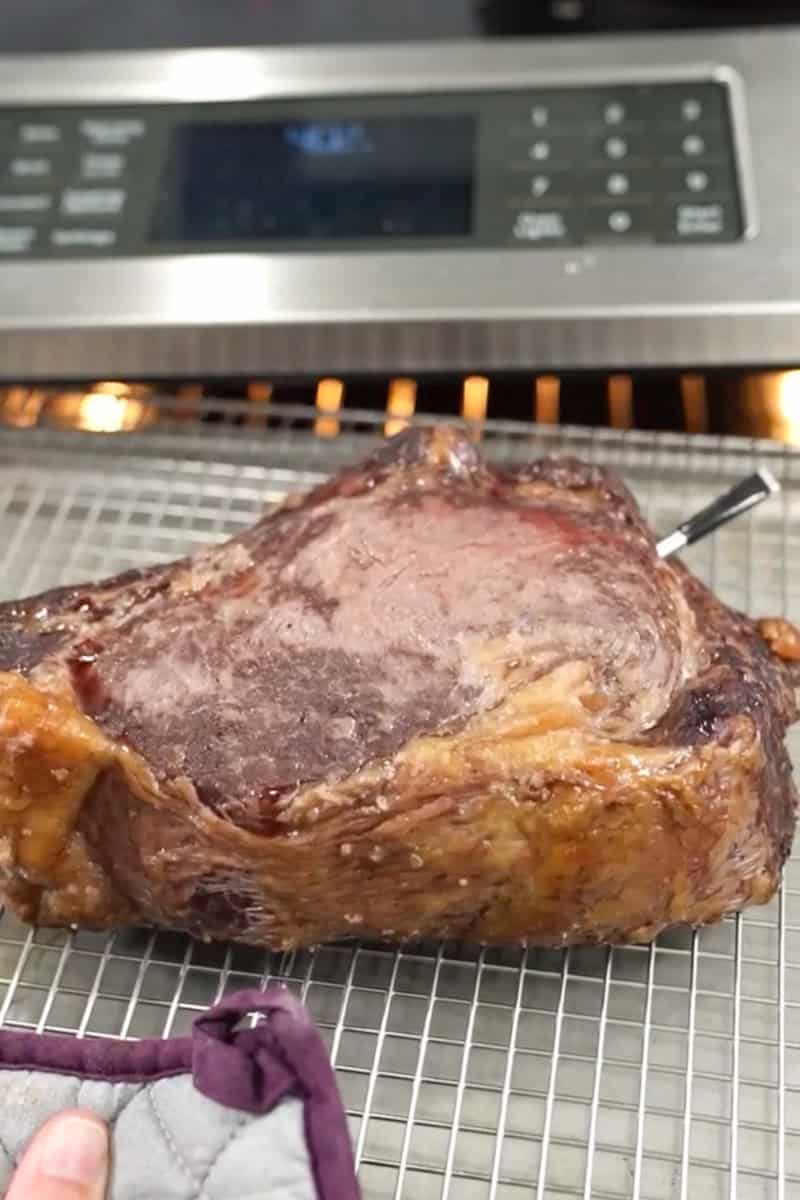
Preheat the oven to 250°F.
Place the steak on a wire rack set inside a rimmed baking sheet. Roast until it reaches your preferred pull temperature. For medium-rare, remove it from the oven at approximately 115°F to 120°F.
A 2-inch steak will usually need around 35 to 55 minutes, but please use a thermometer. Steak thickness, starting temperature, and ovens all vary.
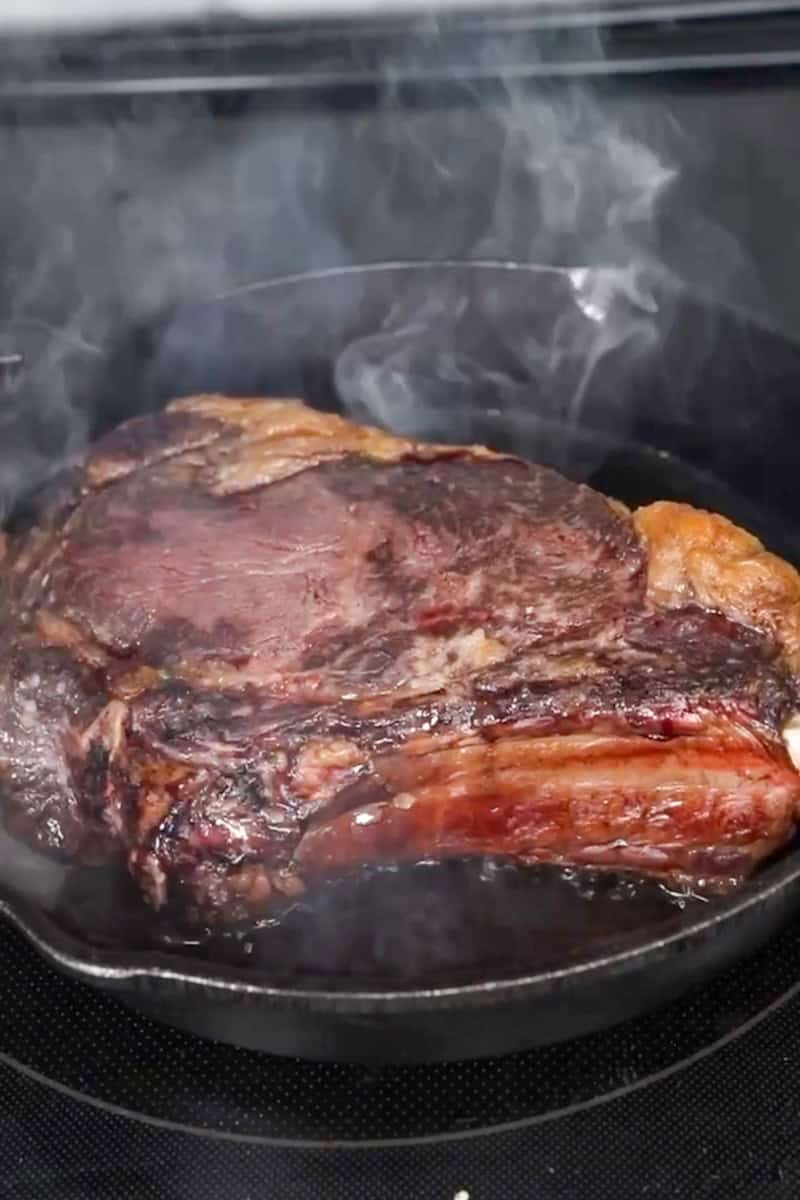
When the steak is almost ready, heat a cast-iron skillet over high heat until it is very hot.
Turn on the vent and maybe open a window. This part gets smoky. Add the neutral oil once the skillet is hot.
Pat the steak dry again before placing it in the skillet. Any moisture on the surface will work against the crust.
Sear for approximately 45 to 60 seconds per side. Hold the steak with tongs and sear the fatty edge, too. That part deserves attention.
During the final 30 seconds, add one tablespoon of butter and spoon it over the steak.
Transfer the steak to a cutting board and let it rest for 5 to 10 minutes while you make the pan sauce.
Carefully pour off most of the fat, leaving the browned bits in the skillet.
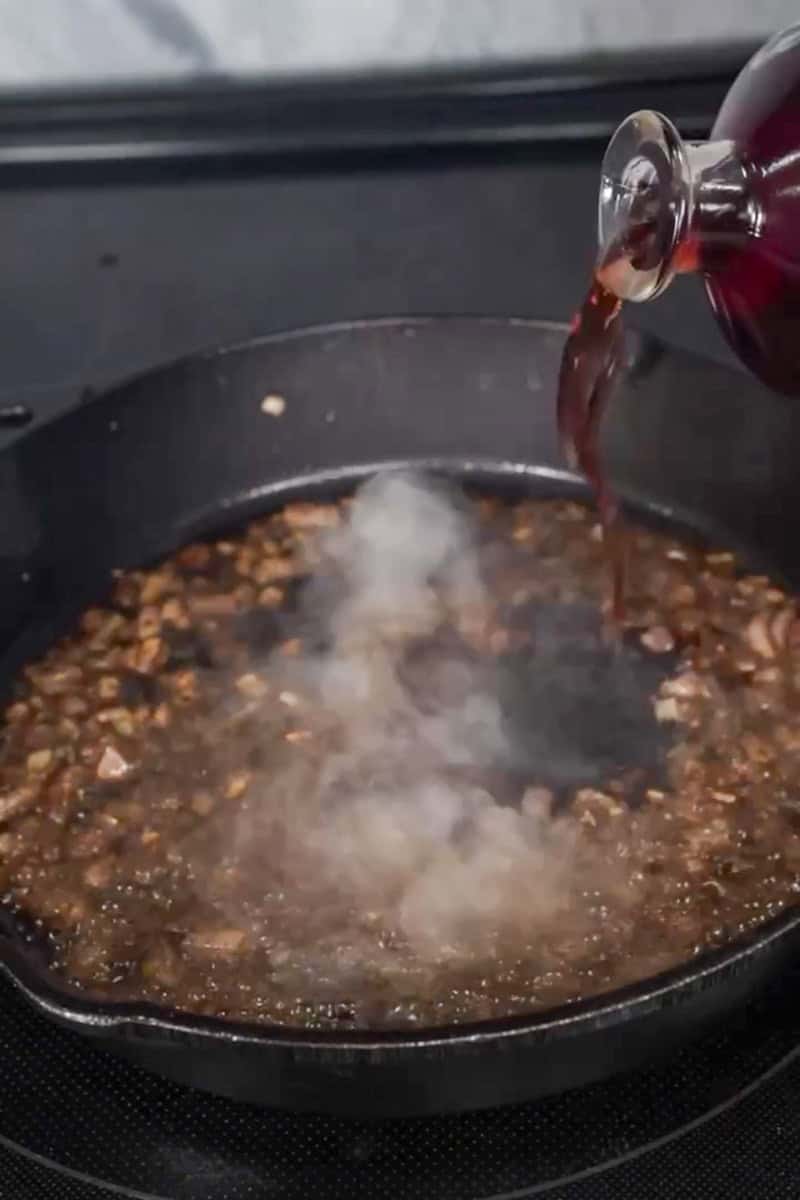
Reduce the heat to medium and add the finely chopped shallot. Cook for about one minute, stirring frequently, until it starts to soften.
Temporarily remove the skillet from an open flame before adding the vermouth. It can flare.
Return the skillet to the heat and use a wooden spoon to scrape up the browned bits. Simmer until the vermouth has reduced by about half. Add the beef stock, Dijon mustard, and thyme. Simmer for 3 to 5 minutes, until the sauce has reduced and lightly coats the back of a spoon.
Turn off the heat and whisk in one tablespoon of cold butter. Taste before adding salt since the steak drippings and reduced stock may already be salty.
Serve
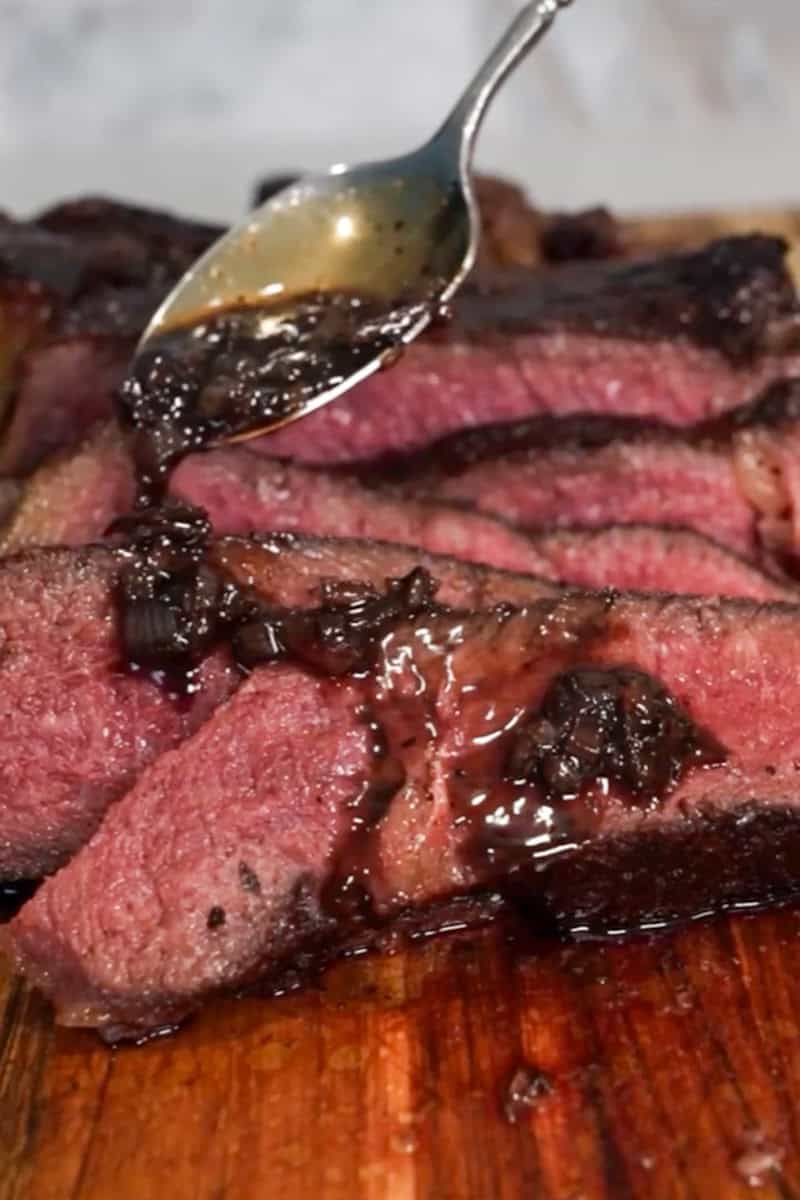
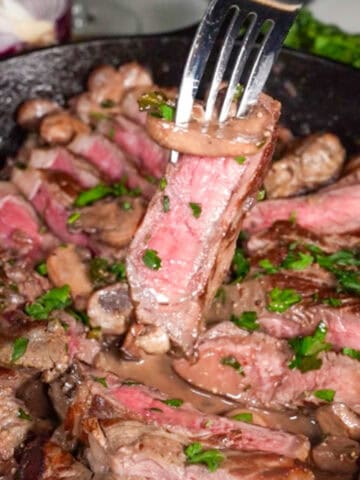
Slice the steak against the grain and spoon the warm shallot-vermouth sauce over the top. That’s it.
Reverse Sear Steak Temperature Chart
These are approximate pull temperatures for removing the steak from the oven before its final sear:
| Doneness | Remove From Oven | Approximate Final Temperature |
|---|---|---|
| Rare | 105–110°F | 120–125°F |
| Medium-rare | 115–120°F | 130–135°F |
| Medium | 125–130°F | 140–145°F |
| Medium-well | 135–140°F | 150–155°F |
The temperature will continue to rise during searing and resting. Check it early. You can always cook a steak a little longer, but there is no undo button once it is overcooked.
Top Tip
Dry surface, hot skillet.
Pat the steak dry before it goes into the oven and again immediately before searing. Moisture creates steam, and steam is not helping you get that dark crust.
Also, don’t keep flipping the steak while it sears. Give each side enough uninterrupted contact with the skillet to brown properly.
Substitutions
No vermouth: Use a dry white wine such as Sauvignon Blanc or Pinot Grigio. Dry sherry also works, although it has a slightly nuttier flavor.
No shallot: Use about two tablespoons of very finely chopped yellow onion.
No beef stock: Chicken stock works, but the finished sauce will taste lighter.
No Dijon: You can leave it out. The sauce will still work.
Dairy-free: Use a dairy-free butter that can handle heat. The texture may be slightly different, but the vermouth reduction will still have plenty of flavor.
Reverse-Seared Steak Variations
Add mushrooms: Brown sliced cremini or button mushrooms after removing the steak. Once they release their moisture and start to brown, add the shallot and continue with the sauce.
Make it peppercorn-style: Add one to two teaspoons of lightly crushed black peppercorns with the shallot.
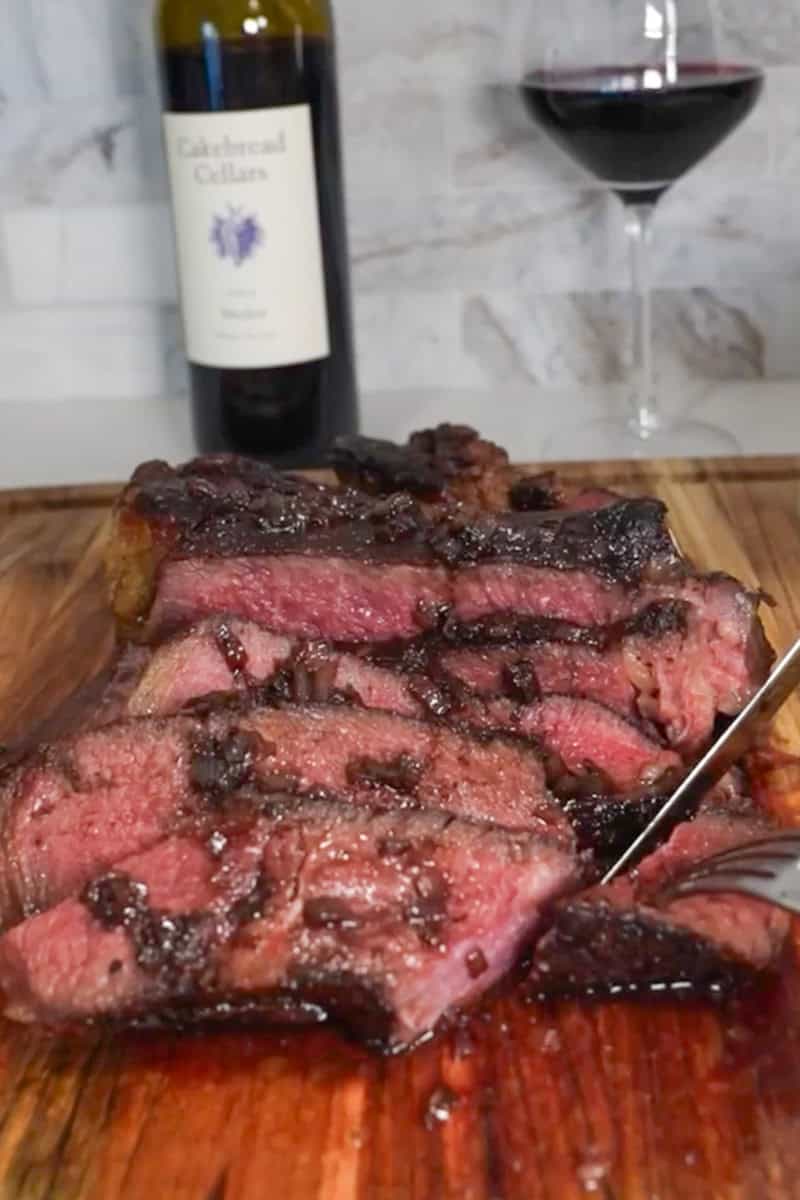
Use red wine: Replace the vermouth with a dry red wine for a darker, richer sauce.
Add garlic: Stir in one grated or finely minced garlic clove during the final 30 seconds of cooking the shallot.
Finish with herbs: Chopped parsley, chives, or tarragon can go into the finished sauce right before serving.
What to Serve with Reverse-Seared Steak
This steak is really good with mashed potatoes, roasted potatoes, asparagus, green beans, or a simple salad. Anything that can catch the extra pan sauce is a good decision.
For another rich steak topping, try my bone marrow gremolata.
If you want to keep the vermouth theme going, serve the steak with a dirty vodka martini. You already opened the bottle. Might as well.
You can also browse these other beef recipes:
Make Ahead
You can season the steak and refrigerate it uncovered for up to 24 hours before cooking. This is actually my preferred method because it gives the salt time to season the meat and helps dry the exterior.
The shallot can also be chopped one day ahead and stored in an airtight container in the refrigerator.
I would not make the entire pan sauce ahead of time. It comes together quickly while the steak rests, and the fresh browned bits from the skillet are what make it so good.
How to Store Reverse-Seared Steak
Refrigerator: Store leftover steak and sauce separately in airtight containers for up to three days.
Reheating: Warm the steak gently in a 250°F oven until heated through. Reheat the sauce in a small saucepan over low heat. Add a splash of stock if it has thickened too much.
You can use the microwave, but keep the intervals short so the steak doesn’t go from medium-rare to very much not medium-rare.
Freezer: The cooked steak can be frozen, but its texture is best when fresh. I don’t recommend freezing the finished butter sauce because it can separate when reheated.
Frequently Asked Questions About Reverse Sear Steak
How long does it take to reverse sear a 2-inch steak?
At 250°F, a 2-inch steak usually takes approximately 35 to 55 minutes in the oven, followed by 45 to 60 seconds of searing per side. Cook according to internal temperature rather than relying only on time.
What temperature should I use to reverse sear steak?
I use a 250°F oven. It is low enough to cook the steak evenly but not so low that dinner takes all night.
When should I remove the steak for medium-rare?
Remove it from the oven when the center reaches approximately 115°F to 120°F. The final sear and resting period should bring it into the 130°F to 135°F range.
Do you need to rest a reverse-seared steak?
A long rest is less critical than it is with a steak cooked entirely over high heat, but I still rest mine for 5 to 10 minutes. That gives me enough time to make the pan sauce.
Can I reverse sear a 1-inch steak?
You can, but the method is better suited to steaks that are at least 1½ inches thick. A thinner steak can overcook during the final sear.
What does vermouth do in a pan sauce?
Dry vermouth deglazes the skillet, loosens the browned bits, and adds acidity and herbal flavor. It balances the richness of the butter and beef stock without making the sauce taste overly heavy.
Print
Reverse-Seared Steak with Shallot Vermouth Pan Sauce
- Total Time: 1 hour
- Yield: 4 servings 1x
- Diet: Gluten-Free, Keto, Low-Carb
Description
This reverse sear steak recipe cooks a thick steak low and slow before finishing it in cast iron and making a buttery shallot-vermouth sauce in the same skillet.
Ingredients
For the steak
- 1 thick-cut ribeye or New York strip steak, approximately 2 inches thick
- Kosher salt, to taste
- Freshly ground black pepper, to taste
- 1 tablespoon avocado, canola, or grapeseed oil
- 1 tablespoon unsalted butter
For the shallot-vermouth sauce
- 1 small shallot, finely chopped
- ½ cup dry vermouth
- ½ cup low-sodium beef stock
- 1 teaspoon Dijon mustard, optional
- 1 teaspoon fresh thyme leaves, optional
- 1 tablespoon cold unsalted butter
- Kosher salt and black pepper, to taste
Instructions
- Pat the steak dry and season every side generously with salt and black pepper. For the best results, refrigerate it uncovered on a wire rack for at least one hour or overnight.
- Preheat the oven to 250°F. Place the steak on a wire rack set over a rimmed baking sheet.
- Roast until the center reaches 115°F to 120°F for medium-rare, approximately 35 to 55 minutes.
- Heat a cast-iron skillet over high heat until very hot. Add the oil.
- Pat the steak dry again. Sear for 45 to 60 seconds per side, including the fatty edge.
- Add one tablespoon of butter during the final 30 seconds and spoon it over the steak.
- Transfer the steak to a cutting board and rest for 5 to 10 minutes.
- Carefully pour off excess fat from the skillet, leaving the browned bits behind. Reduce the heat to medium.
- Add the shallot and cook for approximately one minute, until softened.
- Remove the skillet temporarily from an open flame and add the vermouth. Return it to the heat, scrape up the browned bits, and simmer until reduced by half.
- Add the beef stock, Dijon, and thyme. Simmer for 3 to 5 minutes, until slightly reduced.
- Turn off the heat and whisk in the cold butter. Taste and season with salt and pepper.
- Slice the steak against the grain and serve with the shallot-vermouth sauce.
Notes
- Use a thermometer instead of relying only on cooking time.
- The steak’s temperature will rise during searing and resting.
- Use dry vermouth, not sweet vermouth.
- Remove the skillet from an open flame before adding alcohol.
- Store opened vermouth in the refrigerator.
- Prep Time: 10 minutes
- Cook Time: 50 minutes
- Category: Dinner
- Method: Cooking
- Cuisine: American


Leave a Reply